

Table of Contents
22nd May, 2024 by: EBC Trek
7 Days Ghorepani Poon Hill Trek
Introduction of Ghorepani Poon Hill Trek
Situated in the heart of Nepal's Annapurna region, the Ghorepani Poon Hill Trek offers an enchanting blend of natural beauty and cultural richness, making it a perfect adventure for trekkers of all levels. This captivating trek takes you through lush rhododendron forests, charming Gurung and Magar villages, and terraced farmlands, culminating in the breathtaking sunrise views from Poon Hill. Standing at 3,210 meters, Poon Hill provides a panoramic vista of some of the Himalayas' most majestic peaks, including Annapurna and Dhaulagiri. With well-maintained trails, cozy teahouses, and relatively moderate terrain, this trek is an ideal choice for those seeking an accessible yet unforgettable Himalayan experience.
Trip Highlights of Ghorepani Poon Hill Trek
- Stunning Sunrise Views from Poon Hill: Witness the awe-inspiring sunrise over the Annapurna and Dhaulagiri mountain ranges from Poon Hill, offering panoramic vistas of some of the highest peaks in the world.
- Cultural Encounters: Experience the rich culture and hospitality of the local Gurung and Magar communities, with opportunities to explore traditional villages and interact with the residents.
- Lush Rhododendron Forests: Trek through dense forests adorned with rhododendrons, especially vibrant during the spring season when the flowers are in full bloom.
- Diverse Landscapes: Enjoy a variety of landscapes ranging from terraced farmlands and green hills to pristine rivers and forests, providing a dynamic trekking experience.
- Teahouse Comforts: Stay in cozy and welcoming teahouses along the trail, offering a comfortable rest and a chance to sample delicious local cuisine.
- Accessible Trekking Route: With well-maintained trails and moderate difficulty, this trek is accessible to a wide range of trekkers, including beginners and families.
- Scenic Beauty: Marvel at the ever-changing scenery, with each day offering new and stunning views of the Himalayan landscape.
- Bird Watching: The trek provides opportunities for bird watchers to spot various species of Himalayan birds in their natural habitat.
- Short and Sweet Adventure: Perfect for those with limited time, the trek can be completed in 4 to 5 days, making it a great option for a brief yet fulfilling adventure in the Himalayas.
- Photographic Opportunities: Capture breathtaking photographs of the mountains, forests, and villages, making memories that will last a lifetime.
Ghorepani Poon Hill Trek Itinerary
| Day | Itinerary | Altitude |
|---|---|---|
| 1 | Arrival in TIA,Kathmandu | 1400M |
| 2 | Kathmandu – Pokhara– Nayapul –Tikhedhunga | 1520M |
| 3 | Trek from Tikhedhunga to Ghorepani | 2874M |
| 4 | Walk up Poon hill Ghorepani – Tadapani | 2590M |
| 5 | Tadapani – Ghandruk – Drive Pokhara | 820M |
| 6 | Pokhara-Kathmandu | 1400M |
| 7 | Departure from Kathmandu | 1400M |
Why Choose Ghorepani Poon Hill Trek?
01. Accessible Adventure: The Ghorepani Poon Hill Trek is ideal for trekkers of all levels, including beginners and families, thanks to its moderate difficulty and well-maintained trails.
02. Breathtaking Views: Experience some of the most spectacular panoramic views of the Himalayas, including Annapurna and Dhaulagiri, especially from the iconic Poon Hill viewpoint at sunrise.
03. Cultural Immersion: Immerse yourself in the rich cultural tapestry of the region, interacting with the friendly Gurung and Magar communities and exploring their traditional villages.
04. Scenic Diversity: Enjoy a diverse range of landscapes, from lush rhododendron forests and terraced farmlands to picturesque rivers and green hills, making every day of the trek unique.
05. Comfortable Accommodation: Stay in cozy teahouses along the route, offering comfortable lodging and the opportunity to savor delicious local Nepali cuisine.
06. Short Duration: Perfect for those with limited time, the trek can be completed in 4 to 5 days, providing a quick yet profoundly rewarding Himalayan experience.
07. Photographic Opportunities: Capture stunning photographs of the majestic mountains, vibrant forests, and charming villages, ensuring you bring home incredible memories.
08. Wildlife and Nature: The trek offers opportunities for bird watching and spotting various Himalayan flora and fauna, adding to the adventure’s natural appeal.
09. Year-Round Trekking: The trek is accessible year-round, with each season offering its own unique charm, whether it’s the blooming rhododendrons in spring or the clear skies in autumn.
10. Physical Challenge and Reward: While the trek is moderate, it still provides a satisfying physical challenge and the rewarding feeling of reaching Poon Hill and witnessing its legendary sunrise views.
Why is the Famous Ghorepani Poon Hill Trek?
The Ghorepani Poon Hill Trek is famous for its stunning sunrise views over the Himalayas, especially from the Poon Hill viewpoint, which offers panoramic sights of peaks like Annapurna and Dhaulagiri. This trek is accessible and suitable for beginners, providing a blend of beautiful landscapes, including lush rhododendron forests and charming traditional villages. Its relatively short duration and comfortable teahouse accommodations make it an ideal choice for those looking to experience the beauty and culture of Nepal in just a few days.
Pokhara to Ghorepani Poon Hill Distance
The distance from Pokhara to Ghorepani Poon Hill is approximately 50 kilometers (31 miles). However, this distance is covered by a combination of driving and trekking. Typically, trekkers will drive from Pokhara to Nayapul, which is about a 1.5 to 2-hour drive covering around 45 kilometers (28 miles). From Nayapul, the trek to Ghorepani spans roughly 32 kilometers (20 miles) over a few days, with the Poon Hill viewpoint being an additional short hike from Ghorepani.
Kathmandu to Ghorepani Poon Hill Distance
The distance from Kathmandu to Ghorepani Poon Hill is approximately 200 kilometers (124 miles). This journey is typically done in two stages: first, a drive or flight from Kathmandu to Pokhara, and then a combination of driving and trekking from Pokhara to Ghorepani Poon Hill. The drive from Kathmandu to Pokhara is about 200 kilometers and takes around 6-8 hours by road, or a 25-minute flight. From Pokhara, you will drive to Nayapul (about 45 kilometers or 28 miles, taking 1.5 to 2 hours) and then trek approximately 32 kilometers (20 miles) over several days to reach Ghorepani and Poon Hill.
Best Season for Ghorepani Poon Hill Trek
The best seasons for the Ghorepani Poon Hill Trek are spring (March to May) and autumn (September to November).
Spring (March to May):
Weather: Mild and stable with clear skies.
Temperature: Pleasant during the day and cool at night.
Scenery: Rhododendron forests are in full bloom, offering vibrant colors and beautiful landscapes.
Autumn (September to November):
Weather: Clear and stable weather with excellent visibility.
Temperature: Moderate and comfortable for trekking.
Scenery: Crisp views of the mountains, lush green landscapes post-monsoon, and a festive atmosphere with local festivals like Dashain and Tihar.
Both seasons provide ideal conditions for trekking, with stunning views and enjoyable weather, ensuring a memorable experience on the Ghorepani Poon Hill Trek.
Ghorepani Poon Hill Trek Difficulty
The Ghorepani Poon Hill Trek is considered to be of moderate difficulty, suitable for trekkers of various experience levels, including beginners. Here's why:
Well-Defined Trails: The trek follows well-marked and well-maintained trails, making navigation relatively straightforward.
Moderate Altitude: While the highest point, Poon Hill, reaches an altitude of 3,210 meters (10,531 feet), the overall elevation gain throughout the trek is gradual, allowing for better acclimatization.
Manageable Daily Distances: Trekking distances each day are manageable, typically ranging from 3 to 7 hours, with breaks in between.
Teahouse Accommodation: Accommodation along the route is available in teahouses, providing basic but comfortable lodging and meals, reducing the need for heavy gear.
Accessible Route: The trek can be completed in about 4 to 5 days, making it accessible to those with limited time while still offering a rewarding Himalayan experience.
Porter and Guide Services: Porter and guide services are readily available for those who prefer additional assistance or wish to lighten their load, further easing the trekking experience.
Overall, while the Ghorepani Poon Hill Trek involves some uphill climbs and varied terrain, its moderate difficulty level, combined with its stunning views and cultural experiences, makes it a popular choice for trekkers seeking an enjoyable and achievable adventure in the Annapurna region of Nepal.
Transportation Service for Ghorepani Poon Hill Trek
For the Ghorepani Poon Hill Trek, transportation services are primarily utilized for two main segments:
Kathmandu/Pokhara to Nayapul:
From Kathmandu or Pokhara, travelers typically take a bus or private vehicle to Nayapul, which is the starting point of the trek. This journey takes approximately 6-8 hours by road from Kathmandu or around 1.5-2 hours from Pokhara.
Return from Nayapul to Pokhara/Kathmandu:
At the end of the trek, travelers return from Nayapul to Pokhara or Kathmandu by bus or private vehicle. The journey from Nayapul to Pokhara takes about 1.5-2 hours by road.
For those who prefer a more direct and convenient option, domestic flights are available from Kathmandu to Pokhara and vice versa. However, it's important to note that flights may be subject to weather conditions and availability.
During the trek itself, transportation mainly involves walking/hiking along the established trails, as vehicles are not accessible beyond Nayapul. However, if needed, porter services are available to carry luggage or gear for trekkers. Additionally, mules or donkeys may be utilized to transport heavier loads along certain sections of the trail.
Accommodations on Ghorepani Poon Hill Trek
Accommodations along the Ghorepani Poon Hill Trek mainly comprise teahouses or guesthouses nestled within villages along the trail. These lodgings offer basic amenities like beds with blankets or sleeping bags, shared bathrooms (with attached options available for an extra fee), and communal dining areas. While comfort levels vary, they generally provide a cozy environment for trekkers to rest after hiking. Teahouses serve both Nepali and international cuisine, catering to different tastes. With various options, trekkers can find accommodations that fit their preferences and budget. While some teahouses offer more amenities at a higher price, others provide simpler facilities. Many trekkers prefer arranging lodging upon arrival, providing flexibility and the chance to assess accommodations in person. During peak seasons, it's wise to secure accommodations early due to potential crowding, while off-seasons may offer more flexibility and room rate negotiation opportunities. Despite their simplicity, these accommodations offer an authentic and comfortable experience, enhancing the allure of trekking amidst the Himalayas.
Meal Facilities during the Ghorepani Poon Hill Trek
During the Ghorepani Poon Hill Trek, meal facilities are primarily provided by the teahouses or guesthouses located along the trail. Here's what you can typically expect:
Breakfast: Teahouses offer a variety of breakfast options, including pancakes, Tibetan bread, porridge, eggs (fried, boiled, scrambled), muesli, toast, and tea or coffee.
Lunch: Lunch options typically include rice, noodles, pasta, momos (dumplings), fried rice, fried noodles, sandwiches, and soups. These are often served with vegetables, meat, or eggs.
Dinner: Dinner menus often feature similar options to lunch, with additional choices such as dal bhat (traditional Nepali meal consisting of rice, lentil soup, and vegetable curry), curry dishes (vegetable, chicken, or meat), pizza, pasta, and noodle dishes.
Beverages: Teahouses offer a variety of hot and cold beverages, including tea (black, green, herbal), coffee, hot chocolate, soft drinks, and bottled water. Alcoholic beverages may also be available at some teahouses, though options can be limited and prices higher due to transportation costs.
Snacks: Snacks such as biscuits, chocolate bars, nuts, and energy bars are often available for purchase at teahouses, providing quick energy boosts during breaks.
Vegetarian and Dietary Preferences: Most teahouses are accustomed to catering to various dietary preferences, including vegetarian, vegan, and gluten-free options. However, it's advisable to communicate any dietary restrictions or preferences to the teahouse staff in advance.
Cost and Payment: Meal prices at teahouses are generally reasonable, though they may increase at higher altitudes due to transportation costs. Meals are usually paid for directly at the teahouse and may be settled individually or as part of a package if pre-arranged through a trekking agency.
Overall, while the meal options along the Ghorepani Poon Hill Trek are simple, they provide hearty and nourishing sustenance for trekkers to fuel their journey through the stunning Himalayan landscape.
Guides and Porters for Ghorepani Poon Hill Trek
For the Ghorepani Poon Hill Trek, hiring a guide and/or porter is a common practice and can enhance the trekking experience in various ways:
Guides Service for Ghorepani Poon Hill Trek
Local Knowledge: Guides are familiar with the trekking route, terrain, and local culture. They can provide valuable insights into the surroundings, flora, fauna, and historical significance of the region.
Safety: Guides are trained in first aid and can assist in case of emergencies. They also help navigate tricky sections of the trail, ensuring trekkers stay on the right path and avoid potential hazards.
Cultural Immersion: Guides facilitate interactions with local communities, translating languages and bridging cultural gaps. They can arrange visits to monasteries, temples, and villages, enriching the cultural experience.
Logistical Support: Guides assist with accommodations, meal arrangements, and transportation logistics, ensuring a smoother trekking experience.
Personalized Experience: Guides tailor the trek to meet the preferences and abilities of the trekking group, offering flexibility in the itinerary and pace.
Porters Service for Ghorepani Poon Hill Trek
Load Carrying: Porters carry heavy backpacks, allowing trekkers to enjoy the journey without the burden of excessive weight. This reduces physical strain and enhances comfort during the trek.
Speed and Efficiency: With porters handling luggage, trekkers can maintain a steady pace and cover more ground each day, optimizing time and energy.
Supportive Role: Porters provide encouragement and assistance along the trail, contributing to a positive and encouraging trekking environment.
Economic Support: Hiring porters supports the local economy, providing employment opportunities and income for individuals and communities in the trekking region.
Cultural Exchange: Porters often come from local communities, offering trekkers the chance to interact with and learn from the people of the region, fostering cultural exchange and understanding.
Whether you choose to hire a guide, porter, or both, their services can greatly enhance the Ghorepani Poon Hill Trek, ensuring a safe, enjoyable, and memorable experience amidst the stunning landscapes of the Himalayas.
Route Permits for Ghorepani Poon Hill Trek
For the Ghorepani Poon Hill Trek, trekkers need two permits:
01. TIMS Card:
Required for all trekkers in Nepal.
Green TIMS card for independent trekkers, Blue TIMS card for those with a trekking agency.
Obtained from Nepal Tourism Board offices in Kathmandu or Pokhara, or through trekking agencies.
02. ACAP Permit:
Specifically for treks in the Annapurna Conservation Area.
Obtained from Nepal Tourism Board offices in Kathmandu or Pokhara, or at entrance checkpoints along the trek.
Both permits aim to ensure safety and conservation efforts. Trekking agencies can assist with permit acquisition. Carry permits throughout the trek, as they may be checked at checkpoints.
Ghorepani Poon Hill Trek Cost
The cost of the Ghorepani Poon Hill Trek can vary depending on several factors, including your choice of accommodations, whether you hire a guide or porter, transportation expenses, and personal spending habits. Here's a breakdown of potential expenses:
Cost for Permits:
TIMS Card: Approximately USD 10-20 per person.
ACAP Permit: Approximately USD 30-35 per person.
Cost for Accommodations:
Teahouse or guesthouse accommodations typically range from USD 5-20 per night, depending on the location and the level of comfort desired.
Cost for Meals:
Meals at teahouses can cost around USD 5-15 per meal, depending on the type of food and portion size.
Cost for Transportation:
Transportation costs from Kathmandu to Pokhara (if applicable) and from Pokhara to Nayapul (the starting point of the trek) can vary depending on the mode of transportation chosen (bus, private car, or flight).
Cost for Guide and Porter Fees:
Hiring a guide and/or porter can add to the cost of the trek. Guide fees typically range from USD 20-30 per day, while porter fees can range from USD 15-25 per day, including their meals and accommodations.
Cost for Miscellaneous Expenses:
Other expenses to consider include water, snacks, souvenirs, tips for guides and porters, and unforeseen expenses.
Overall, the total cost of the Ghorepani Poon Hill Trek can range from USD 300-700 per person for a standard 4-5 day trek, depending on the level of comfort and services chosen. It's essential to budget accordingly and factor in any additional expenses to ensure a comfortable and enjoyable trekking experience. Additionally, prices may vary based on fluctuations in currency exchange rates and inflation.
Tips for a Successful Ghorepani Poon Hill Trek
Here are some tips for a successful Ghorepani Poon Hill Trek:
01. Physical Preparation: Start a regular exercise routine before the trek to improve your stamina and endurance, focusing on cardiovascular exercises and strength training for leg muscles.
02. Altitude Acclimatization: Take your time to acclimatize to the altitude by ascending gradually and allowing for rest days when needed. Stay hydrated and listen to your body's signals.
03. Pack Wisely: Pack light but essential items, including appropriate clothing for various weather conditions, sturdy trekking shoes, a good quality sleeping bag, sunscreen, insect repellent, and personal hygiene items.
04. Stay Hydrated and Nourished: Drink plenty of water to stay hydrated throughout the trek, and eat nutritious meals to fuel your body for the physical demands of hiking.
05. Follow Safety Guidelines: Stay on designated trails, heed advice from guides or locals, and be mindful of your surroundings to ensure your safety throughout the trek.
06. Respect Local Culture: Embrace the local culture and customs by dressing modestly, learning a few basic Nepali phrases, and being respectful of local traditions and beliefs.
07. Take Breaks and Pace Yourself: Listen to your body and take breaks as needed during the trek. Pace yourself to maintain a steady and sustainable rhythm, especially during uphill climbs.
08. Capture Memories: Bring a camera or smartphone to capture the breathtaking landscapes and memorable moments along the trek. However, remember to balance photography with experiencing the journey firsthand.
09. Connect with Fellow Trekkers: Engage with fellow trekkers and share experiences along the trail, fostering camaraderie and mutual support throughout the journey.
10. Enjoy the Journey: Lastly, take time to appreciate the beauty of the Himalayan scenery, the warmth of local hospitality, and the sense of achievement as you reach the summit of Poon Hill. Enjoy every moment of the trekking experience!
Altitude Sickness Prevention Tips for Ghorepani Poon Hill Trek
Altitude sickness, also known as acute mountain sickness (AMS), can occur when ascending to high altitudes too quickly. Here are some prevention tips specifically tailored for the Ghorepani Poon Hill Trek:
01. Gradual Ascent: Ascend slowly and steadily, allowing your body time to acclimatize to the increasing altitude. Take breaks as needed and avoid overexertion.
02. Stay Hydrated: Drink plenty of water to stay hydrated throughout the trek. Dehydration can exacerbate altitude sickness symptoms, so aim to drink at least 3-4 liters of water per day.
03. Proper Nutrition: Maintain a balanced diet with carbohydrates for energy and hydration, and protein for muscle repair. Avoid heavy and greasy foods that can be difficult to digest at high altitudes.
04. Avoid Alcohol and Tobacco: Alcohol and tobacco can dehydrate the body and worsen altitude sickness symptoms. It's best to avoid or limit their consumption during the trek.
05. Medication: Consider carrying altitude sickness medication such as acetazolamide (Diamox) as a preventive measure. Consult with a healthcare professional before taking any medication and follow their recommendations.
06. Listen to Your Body: Pay attention to your body's signals and communicate any symptoms of altitude sickness (headache, nausea, dizziness, fatigue) to your trekking companions or guide. Descend immediately if symptoms worsen.
07. Sleeping Altitude: When possible, choose accommodation at a lower altitude than the highest point reached during the day's trek. This can help improve sleep quality and reduce the risk of altitude sickness.
08. Stay Warm: Dress in layers to regulate body temperature and protect against cold temperatures at higher altitudes. Proper clothing can help prevent hypothermia and other cold-related illnesses.
09. Breathe Deeply: Practice deep breathing techniques to increase oxygen intake and alleviate altitude sickness symptoms. Slow, deep breaths can help oxygenate the body and reduce the risk of hypoxia.
10. Be Prepared to Descend: If altitude sickness symptoms persist or worsen despite preventive measures, descend to a lower altitude immediately. Descending is the most effective treatment for altitude sickness.
By following these altitude sickness prevention tips and listening to your body's needs, you can increase your chances of having a safe and enjoyable trekking experience on the Ghorepani Poon Hill Trek.
Similar Trekking Packages of Ghorepani Poon Hill Trek
There are several trekking packages similar to the Ghorepani Poon Hill Trek that offer comparable experiences in terms of duration, difficulty level, and scenic beauty. Here are a few options:
Annapurna Base Camp (ABC) Trek:
Duration: 9-12 days
Difficulty: Moderate
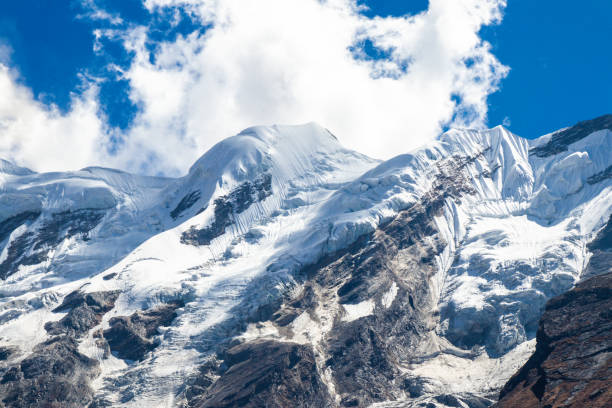
Highlights: Stunning views of Annapurna and Machhapuchhre (Fishtail) mountains, diverse landscapes including forests, waterfalls, and high-altitude terrain, cultural encounters with Gurung and Magar communities.
Langtang Valley Trek:

Duration: 7-10 days
Difficulty: Moderate
Highlights: Scenic trek through Langtang National Park, panoramic views of Langtang Lirung and other snow-capped peaks, encounters with Tibetan-influenced culture and villages, opportunities for wildlife spotting.
Everest View Trek:

Duration: 5-7 days
Difficulty: Moderate
Highlights: Spectacular views of Mount Everest and surrounding peaks including Ama Dablam, cultural experiences in Sherpa villages like Namche Bazaar and Khumjung, visit to the famous Tengboche Monastery.
Mardi Himal Trek:

Duration: 5-7 days
Difficulty: Moderate
Highlights: Scenic trek with views of Machhapuchhre (Fishtail) and Annapurna ranges, peaceful trails through rhododendron forests, cultural experiences in local villages, opportunity to explore Mardi Himal Base Camp.
Upper Mustang Trek:

Duration: 10-14 days
Difficulty: Moderate to Challenging
Highlights: Unique Tibetan-influenced culture and landscapes, ancient Buddhist monasteries and caves, panoramic views of Nilgiri, Dhaulagiri, and Annapurna ranges, trekking through the arid landscapes of the Mustang region.
These trekking packages offer diverse experiences in terms of landscapes, cultures, and challenges, catering to a wide range of preferences and interests. Whether you're seeking panoramic mountain views, cultural immersion, or remote wilderness exploration, there's a trekking package in Nepal to suit your desires.
Ghorepani Poon Hill Trek FAQ(s)
01. How long is the Ghorepani Poon Hill Trek, and what is the typical duration of the trek?
The Ghorepani Poon Hill Trek typically lasts for about 4 to 5 days, covering a distance of approximately 30-40 kilometers round trip.
02. What is the best time of year to do the Ghorepani Poon Hill Trek, and when are the peak seasons?
The best times to do the Ghorepani Poon Hill Trek are spring (March to May) and autumn (September to November). These seasons offer clear skies, stable weather, and stunning views. Peak trekking seasons are during these times.
03. What is the altitude of Poon Hill, and how difficult is the trek?
Poon Hill, the highest point of the trek, is located at an altitude of 3,210 meters (10,531 feet). The trek is considered moderate in difficulty, suitable for trekkers of various experience levels.
04. Do I need permits for the Ghorepani Poon Hill Trek, and where can I obtain them?
Yes, trekkers need two permits: a TIMS (Trekkers' Information Management System) card and an ACAP (Annapurna Conservation Area Permit). These can be obtained from Nepal Tourism Board offices in Kathmandu or Pokhara.
05. What should I pack for the trek, and what clothing is suitable for the varying weather conditions?
Essentials include sturdy trekking shoes, warm clothing (layers), rain gear, sunscreen, sunglasses, a hat, and a refillable water bottle. Pack according to the season, and be prepared for both warm days and cold nights.
06. Are there accommodations available along the trek route, and what are the options for meals?
Yes, there are teahouses or guesthouses available along the route, offering basic accommodations and meals. Meals typically include Nepali and international dishes such as dal bhat, noodles, and soups.
07. Do I need to hire a guide or porter for the Ghorepani Poon Hill Trek, and how much do they cost?
Hiring a guide or porter is optional but recommended. Guide fees range from USD 20-30 per day, while porter fees range from USD 15-25 per day, including meals and accommodations.
08. What are the common symptoms of altitude sickness, and how can I prevent it during the trek?
Symptoms include headache, nausea, dizziness, and fatigue. To prevent altitude sickness, ascend gradually, stay hydrated, and consider taking medication such as acetazolamide (Diamox) as a preventive measure.
09. What is the daily itinerary for the Ghorepani Poon Hill Trek, and what are the highlights along the way?
The typical itinerary includes Nayapul to Tikhedhunga, Tikhedhunga to Ghorepani, Ghorepani to Poon Hill and Tadapani, and Tadapani to Nayapul. Highlights include panoramic mountain views, rhododendron forests, and cultural encounters.
10. Is it possible to customize the trek or combine it with other treks or activities in the Annapurna region?
Yes, it's possible to customize the trek or combine it with other treks such as the Annapurna Base Camp Trek or activities like white-water rafting or jungle safaris in nearby areas. Trekking agencies can help with customization options.
Conclusion of Ghorepani Poon Hill Trek
In conclusion, the Ghorepani Poon Hill Trek offers a captivating journey through the breathtaking landscapes of the Annapurna region, showcasing the natural beauty and cultural richness of Nepal. With its moderate difficulty level and relatively short duration, it's accessible to trekkers of varying experience levels, making it a popular choice for adventurers seeking a memorable Himalayan experience. From the majestic sunrise views at Poon Hill to the charming villages and lush rhododendron forests along the trail, every step of the trek is filled with awe-inspiring moments and opportunities for cultural immersion. Whether you're marveling at the panoramic mountain vistas, savoring delicious Nepali cuisine at teahouses, or connecting with fellow trekkers along the way, the Ghorepani Poon Hill Trek offers an unforgettable adventure that will leave a lasting impression. As you bid farewell to the towering peaks and serene valleys of the Annapurna region, you carry with you not just memories of a remarkable journey but also a deeper appreciation for the natural wonders and warm hospitality of Nepal.